This page may contain affiliate links. If you click and buy, we might get a small commission at no cost to you.
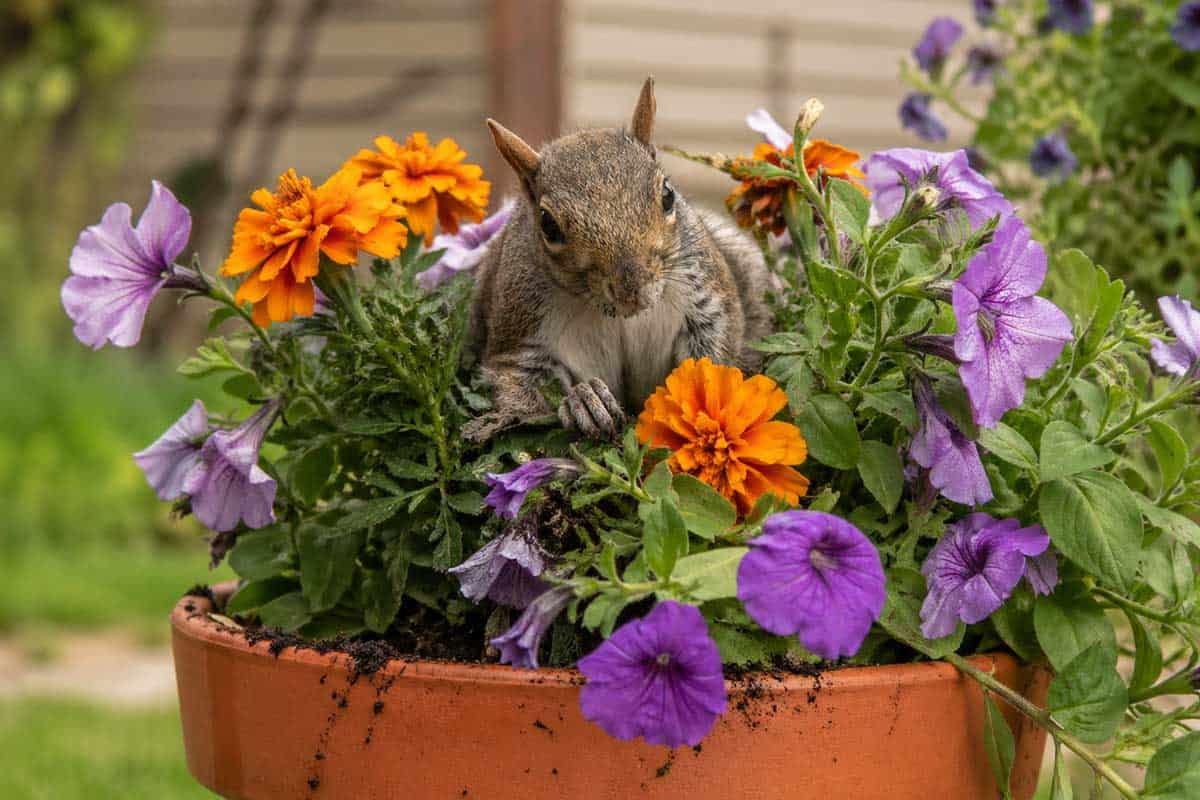
Squirrels digging in your flower pots can get frustrating fast, and I’ve dealt with this myself more times than I’d like. You go out in the morning to check on your flowers, and instead of seeing healthy plants, you’re met with holes all around them. If you’re lucky, it’s just disturbed soil, but a lot of the time the entire plant has been dug up, roots and all.
It can feel random when it keeps happening, but it usually isn’t. Squirrels are reacting to something your pots are offering, whether that’s soft soil, a place to stash food, or a scent that caught their attention.
If we can understand why they’re doing it, we can at least start to mitigate the problem and make your pots less appealing over time. Below are the most common reasons squirrels dig in flower pots, along with simple ways to respond to each one.
Why squirrels dig in flower pots
Here are five common reasons squirrels dig in flower pots, along with simple ways to respond to each one.
1. They are burying food
One of the most common reasons squirrels dig in flower pots is because they are using them as a place to store food. Squirrels naturally bury nuts, seeds, and other food items to come back to later, and your pots happen to be a perfect setup for that. The soil is soft, easy to dig, and usually in a quiet, low-traffic area.
This behavior ramps up in the fall when squirrels are actively caching food, but it can happen any time of year. Once a squirrel decides your pots are a good storage spot, it may keep coming back and digging in the same area over and over. That is why you might notice repeated holes in the same containers instead of random damage across your yard.
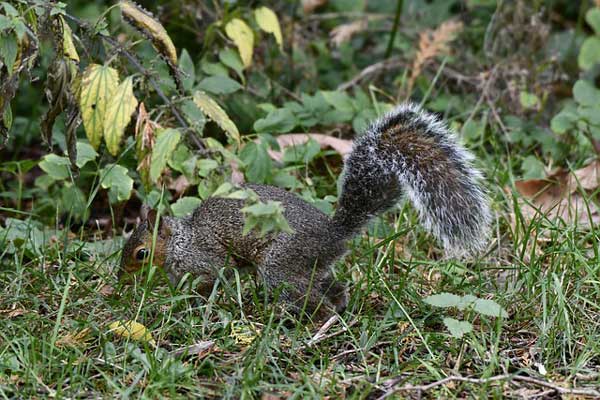
If this is the main reason, the goal is to make your pots less useful as a storage spot. Adding a physical barrier on top of the soil, like rocks or mesh, makes it harder for them to dig and encourages them to move on to easier locations.
2. The soil is soft and freshly disturbed
Fresh potting soil is basically an open invitation for squirrels. When you plant new flowers or refresh your containers, the soil becomes loose, light, and extremely easy to dig into. Compared to compact ground or established beds, a flower pot is one of the easiest places in your yard for a squirrel to dig.
Even if there is no food involved, squirrels are naturally drawn to soft soil because it takes very little effort to move around. That is why newly planted pots tend to get hit the hardest, especially in the first few days after planting.
Over time, as the soil settles and firms up, the digging may slow down. But during that initial window, it is when most of the damage happens. Lightly compacting the top layer or covering it with mulch, stones, or another material can help reduce how appealing the surface is.
3. They smell something interesting
Squirrels rely heavily on their sense of smell, and certain scents can draw them straight to your pots. Organic fertilizers, especially things like bone meal, can be a major trigger. To a squirrel, that smell can signal something edible or worth investigating.
Even things you might not think about, like leftover food scraps in compost-based soil or certain plant roots, can attract attention. Once a squirrel associates your pots with an interesting scent, it may keep checking back to see if there is anything worth digging up.
This is one of the reasons why some pots seem to get targeted more than others. It is not always about the plant itself, but what is in the soil or what was recently added to it. If you suspect scent is the issue, switching fertilizers or avoiding strong-smelling additives can help reduce repeat visits.
4. They are looking for bulbs or something to eat
If you have planted bulbs in your pots, that alone can explain the digging. Squirrels love bulbs, and they are very good at finding them. Once they locate a food source like that, they tend to come back until it is gone.
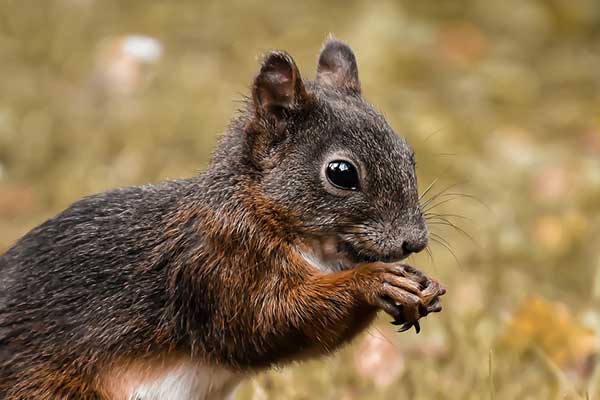
What makes this more frustrating is that squirrels can remember where they found food before. So even if they already dug something up, they may return to check the same pot again. This can lead to repeated digging and more damage than you would expect.
This behavior is most common in spring and fall when bulbs are freshly planted, but it can happen anytime something edible is present. If bulbs are the issue, placing a layer of wire mesh just below the soil surface can help protect them while still allowing plants to grow through.
5. They are just exploring and digging out of habit
Not every hole has a clear purpose. Sometimes squirrels dig simply because they can. Younger squirrels especially tend to explore more, and flower pots provide an easy and contained place to dig around.
In areas where squirrels feel safe and are used to human activity, they are more likely to poke around out of curiosity. If your yard has become a regular hangout spot, your pots can end up being part of that routine.
This kind of digging can be the hardest to fully stop because it is not tied to a single cause. It is more about opportunity and habit. In these cases, making your pots consistently less appealing overall, by combining barriers, scent deterrents, and reducing attractants, is usually the most effective approach over time.
How to stop squirrels from digging in flower pots
Now that you know why squirrels are digging in your flower pots, the goal is to make those pots less appealing and harder to work with over time. You don’t have to eliminate squirrels completely, you just need to remove the easy opportunities they’re taking advantage of.
Here are a few simple things that have worked for me:
- Place rocks on top of the soil to make digging harder
- Use a tomato cage or similar barrier around plants while they’re getting established
- Lightly firm up loose soil after planting instead of leaving it fluffy
- Avoid strong-smelling fertilizers that may attract attention
In my experience, once plants get more established and the soil isn’t loose anymore, squirrels tend to lose interest and move on. If you want a deeper breakdown of all the methods that can help, check out our full guide on how to keep squirrels out of flower pots.