This page may contain affiliate links. If you click and buy, we might get a small commission at no cost to you.
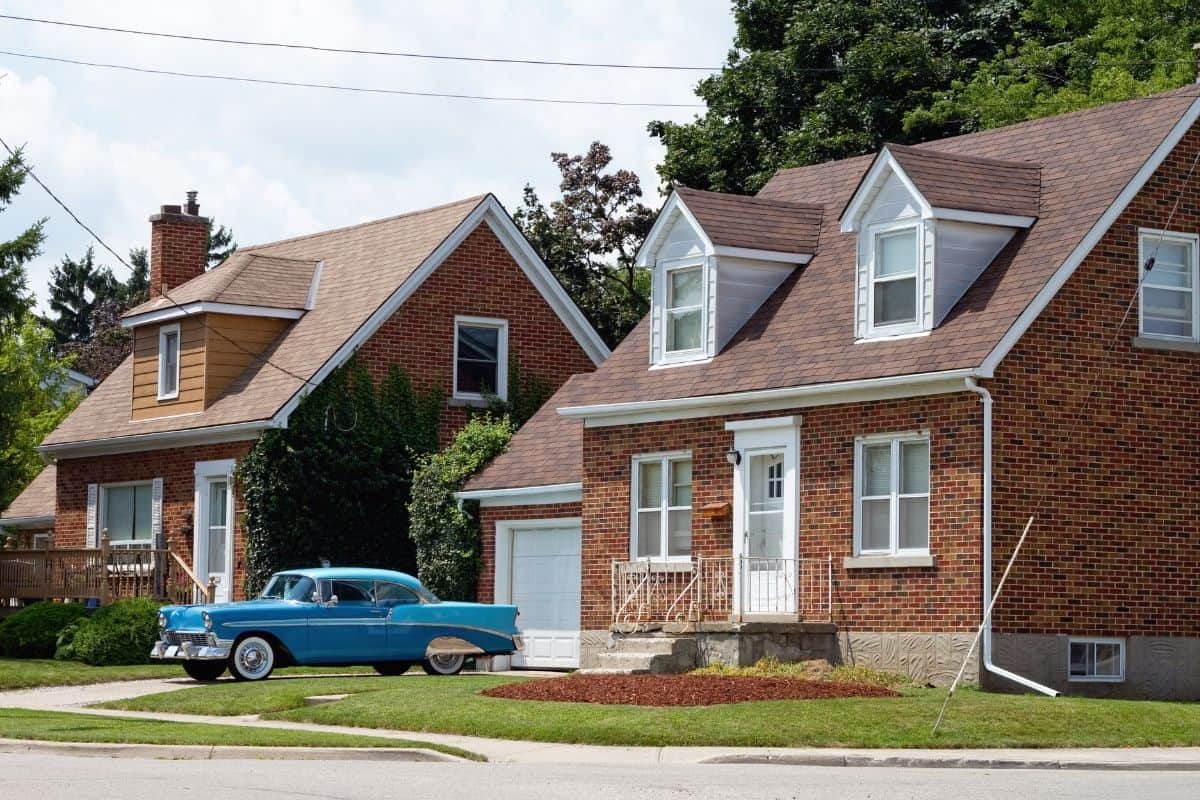
Millions of homes were built across the United States during the 1950s, making it one of the biggest homebuilding decades in American history. Following World War II, growing families and a booming economy created demand for new neighborhoods, and builders responded by constructing entire subdivisions filled with modest, affordable homes.
Many of those houses are still standing today. In fact, if you live in an established neighborhood, there’s a good chance at least a few homes in your area were built during this era. While 1950s homes tend to be smaller than many modern houses, they often feature solid construction, mature landscaping, and unique character that can be hard to find in newer developments.
I’ve owned a 1950s house for about 8 years now, and while there are plenty of things I love about it, there have also been a few surprises along the way. Here are some of the biggest lessons I’ve learned.
1. There’s always another project waiting
One of the first things I learned is that no matter how many projects you complete, there always seems to be another one waiting around the corner. Finish painting a room, and you’ll notice trim that needs attention. Replace a fixture, and suddenly the surrounding area looks like it needs updating too.
This isn’t necessarily a bad thing. Part of owning an older home is accepting that improvement is an ongoing process rather than a finish line. Some projects are necessary, while others simply move to the top of the list because you’ve finally noticed them.
2. Older homes can have more character
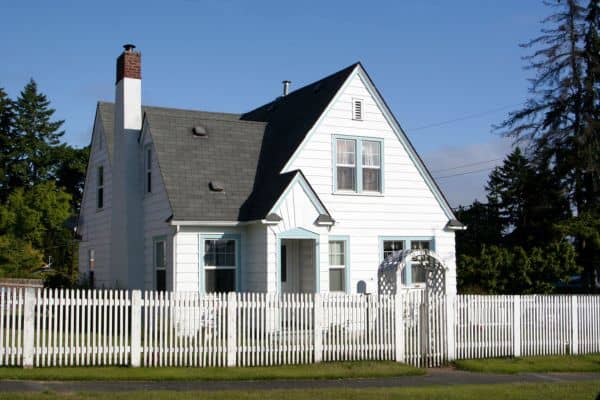
One reason many people are drawn to older homes is character. Whether it’s original hardwood floors, unique trim work, built-in shelving, or architectural details, older homes often have features that don’t seem as common in newer construction.
Not every 1950s house is packed with charm, but many have a personality that feels different from homes built from standardized plans. Even small details can make a house feel unique.
3. Many parts of the house were built to last
People often say, “They don’t build them like they used to,” and while that’s not true for everything, there are certainly examples where older materials have stood the test of time.
I’ve seen original hardwood flooring, solid wood doors, and framing lumber that remain in excellent condition decades later. Modern homes have many advantages, but some of the materials commonly used in the 1950s were incredibly durable compared to todays.
4. Previous owners leave behind mysteries
Every older home comes with a history, and sometimes that history leaves behind a few unanswered questions.
At some point you’ll likely discover a strange switch that doesn’t appear to control anything, a patched-over opening, an abandoned wire, or a repair that makes you wonder what the previous owner was thinking. Solving these little mysteries becomes part of the experience.
5. Older homes can make lots of creepy noises
If you’ve only lived in newer homes, the sounds of a 1950s house can be surprising. Floors creak, pipes expand and contract, and various pops and groans seem to appear throughout the day. The house might settle in the middle of the night in total silence and it can be rather alarming. But it’s just the creaking of an old home.
Most of these sounds are completely normal. Houses settle over time, materials expand and contract with temperature changes, and decades of use leave their mark. Eventually you learn which noises are normal and which ones deserve closer attention.
6. Energy efficiency wasn’t a priority
Homes built in the 1950s were constructed long before modern energy-efficiency standards became common. As a result, many older homes can lose a surprising amount of heated or cooled air.
Original windows, aging doors, limited insulation, and small air leaks can all contribute to higher utility bills. While many of these issues can be improved over time, energy efficiency is one area where newer homes often have a clear advantage.
Luckily, my home had pretty new window, but I did have to replace the front and back door recently. It wasn’t cheap, however it has helped with energy costs and I got a tax credit for them.
7. Older homes tend to have fewer electrical outlets
One thing that quickly becomes apparent is that people simply didn’t have as many electrical devices in the 1950s. They just undershot how many devices people would be using in the future. Home technology has come a long way in 70 years.
Many rooms have fewer outlets than modern homeowners would prefer, and you may occasionally encounter older outlet styles that no longer meet current expectations. Updating electrical systems can improve convenience, safety, and compatibility with today’s technology.
8. Storage space can be surprisingly limited
Closets in many 1950s homes were designed for a different era. People generally owned fewer clothes, fewer household items, and fewer seasonal decorations than they do today.
As a result, storage can become a challenge. Small bedroom closets, limited pantry space, and a lack of dedicated storage areas often require a little creativity.
9. Not every old-house quirk needs to be fixed
When I first became a homeowner, I felt like every imperfection needed immediate attention. Over time, I’ve learned that’s not always true.
Some quirks are simply part of the home’s personality. As long as something is safe and functional, it doesn’t necessarily need to be modernized or corrected. Learning the difference between a genuine problem and a harmless quirk can save both time and money. If something truly bothers you, but isn’t quite worth changing, make a mental note that you don’t want it in the next home. Assuming you plan to move again one day.
10. Some original features are worth preserving
It’s easy to assume that newer automatically means better, but that’s not always the case. Old houses can have some very charming and unique craftsmanship and features that are worth hanging on to.
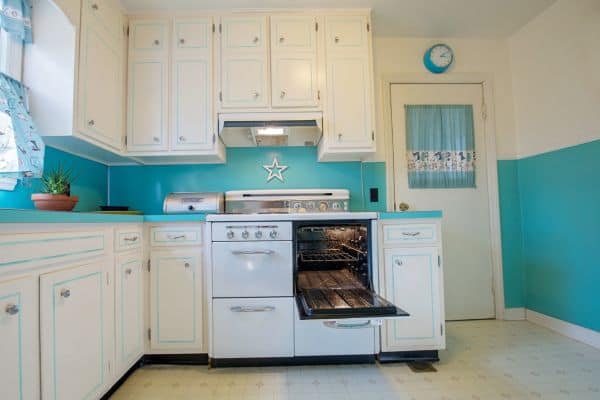
Original hardwood floors, wood trim, doors, hardware, and other details often contribute significantly to a home’s appeal. While updates are sometimes necessary, preserving worthwhile original features can help maintain the character that makes older homes special.
11. No two houses are exactly alike
One thing I appreciate about older neighborhoods is the variety. Even homes built during the same decade can have completely different layouts, features, additions, and design choices.
Walk down a street filled with 1950s homes and you’ll often notice a level of individuality that’s harder to find in some newer developments. Each house seems to have its own story and personality.
12. You often get a larger lot
Many 1950s homes sit on lots that would be considered generous by today’s standards. Yards are often larger, setbacks are greater, and property lines can take on some interesting shapes.
Lots for new homes these days are often .25 to .5 acres, my lot is 1.3 acres. My neighbor’s is even larger. Those extra outdoor spaces create opportunities for gardening, outdoor living, sheds, workshops, and other projects that might be difficult on smaller modern lots.
13. Large mature trees are common
One of the most noticeable characteristics of many older neighborhoods is the presence of mature trees. Decades of growth can transform a property in ways that simply can’t be replicated in new subdivisions.
Of course, large trees come with responsibilities as well. Over the years we’ve had to remove a large oak, several large maples, and other overgrown trees that had become concerns near structures. While mature trees can be beautiful, they eventually require maintenance, trimming, or removal just like any other part of the property.
Final thoughts
Owning a 1950s house has taught me that older homes are a mix of strengths, weaknesses, surprises, and personality. They often require a little more attention than newer homes, but they can also offer features that are increasingly difficult to find today.
For me, the character, much larger lots, mature trees, and sense of history have made the experience worthwhile. Even if there always seems to be another project waiting around the corner.